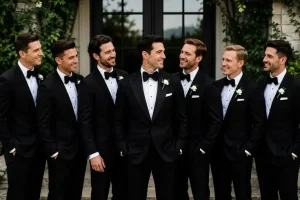
Washington D.C. has a social calendar that few other American cities match. Charity galas, embassy receptions, association dinners, and cultural evenings fill the months from autumn through spring, and many of them call for black tie. A bespoke tuxedo is the surest way to be ready for gala season in Washington D.C.
For professionals who attend several of these events a year, the question is practical. A rental is convenient once, but it rarely fits well, and it is the same look as everyone else in the room. A tuxedo that is made for you, and worn again each season, changes the equation.
This guide covers what black tie actually asks of you, what to look for in a bespoke tuxedo, how to plan around the season, and how to order one in D.C. without a local storefront.
Why Gala Season Is the Right Time to Invest
A single black-tie event can be handled with a rental. A season of them is a different situation.
When you attend four, six, or more events between autumn and spring, the cost of renting adds up, and so does the effort of arranging a fitting each time. Rental tuxedos are also cut to standard sizes and worn by many people, so the fit is rarely precise and the cloth is rarely good.
A bespoke tuxedo is bought once and worn for years. It fits properly from the first event, it is available whenever an invitation arrives, and it improves with the care of regular use.
What Black Tie Actually Means
Dress codes on invitations are often misread, so it helps to be clear.
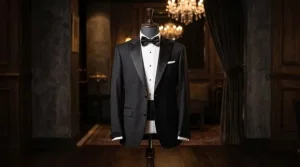
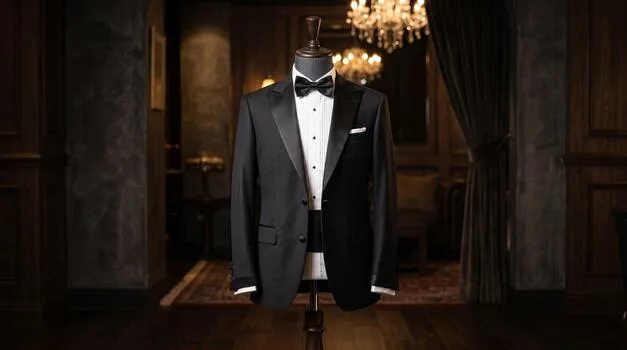
Black tie calls for a tuxedo, a formal white shirt, a black bow tie, and polished black formal shoes. This is the standard for most galas and formal dinners in D.C.
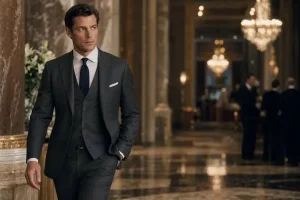
Black tie optional means a tuxedo is preferred, but a very dark, well-fitted suit is acceptable. If you own a tuxedo, wearing it is always the safer choice.
White tie is the most formal level, and it calls for a tailcoat, white waistcoat, and white bow tie. It is rare, but it can appear at state occasions and a small number of traditional events.
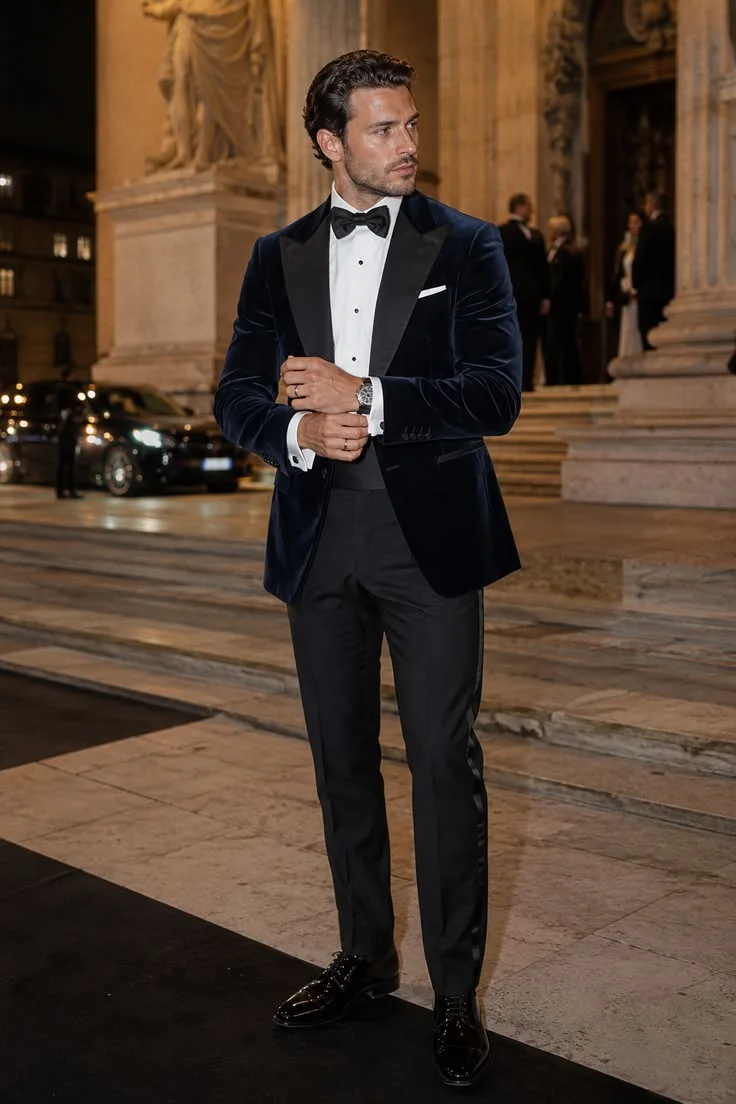
Creative black tie invites some personal expression, such as a velvet jacket or a colored bow tie, while keeping the tuxedo structure.
A well-made classic tuxedo covers the first two comfortably, and it is a strong foundation for creative black tie. White tie needs its own tailcoat.
Why a Tuxedo Is Less Forgiving Than a Suit
A tuxedo has fewer design choices than a business suit, so small errors in fit and proportion are more visible.
The jacket is usually a single dark color, with satin on the lapels and trouser stripe, so there is no pattern to draw the eye away from a poor line. Black-tie events are also photographed constantly, under strong, direct lighting that exposes pulling, gaping, and uneven hems.
That is a strong argument for tailoring. When the shoulders, chest, sleeves, and trousers are all cut to your measurements, the tuxedo looks clean in every photograph and under every light.
Choosing the Lapel: Shawl, Peak, or Notch
The lapel is the most recognizable feature of a tuxedo jacket.
A shawl lapel is a continuous, rounded curve with no notch or point. It is the traditional choice for evening wear, and it gives a soft, elegant line that suits most builds.
A peak lapel points upward and gives the jacket a sharper, more structured look. It is formal and assertive, and it works well on a broader chest.
A notch lapel is the standard business lapel. It appears on some tuxedos, but it is generally considered the least formal of the three for black tie.
For a first tuxedo, a shawl or peak lapel is the safest choice. Our guide to choosing a suit lapel for D.C. professionals covers lapel proportion in more detail.
Satin Facing and Formal Details
The details that separate a tuxedo from a dark suit are small, and they should be done well.
The lapels are faced in silk satin or grosgrain, and the buttons are covered in the same material. The trousers carry a single braid or satin stripe down the outer seam, and they usually have no belt loops, relying instead on side adjusters or braces for a clean waist.
The shirt has a formal front, with a bib or pleats, and is worn with a bow tie, often with studs and cufflinks. Each of these details contributes to the look, so it is worth confirming how a tailor handles them.
Black or Midnight Blue
Black is the standard, and midnight blue is a respected alternative.
Black is the most traditional, and it is always appropriate for black tie.
Midnight blue is a very dark navy that reads as black under artificial light, but shows a subtle depth in daylight and in photographs. It has a long history as a formal option, and it can look richer than black on camera.
Either works in D.C. For a first tuxedo, black is the more conventional choice, and midnight blue is a good second.
Fabric: What to Choose for a D.C. Season
Gala season runs through the cold months, and many events involve a coat check, a cold arrival, and a warm ballroom.
A fine worsted wool in a medium weight is a reliable choice. It holds its shape, drapes cleanly, and stays comfortable as you move between cold streets and heated venues. Some cloths have a slight sheen or a textured weave, such as barathea, which gives the surface a subtle depth under evening light.
Avoid anything too heavy, since ballrooms are often warm and crowded. A good tailor should help you choose fabric with both the season and the venue in mind.
Construction: Why It Matters in a Crowded Room
A tuxedo is worn standing, greeting, dancing, and sitting through long dinners, often for several hours.
A full canvas jacket uses a hand-stitched layer of natural canvas rather than a fused interlining. It moves with the body, holds its shape through a long evening, and keeps the lapel roll and chest line crisp. Fused jackets tend to feel stiffer and can lose their line over time.
For a garment you plan to wear across many seasons, how it is built matters as much as how it looks on the first night.
Fit Details That Show in Photographs
A few measurements carry more weight than the rest.
The shoulder should sit cleanly at the edge of your shoulder, with no pulling or collapsing. The sleeve should end where a small amount of shirt cuff shows, which is essential for cufflinks. The jacket length should cover the seat and balance the proportions of your legs. The trouser break should be clean, with a slight break or none at all, so the line falls neatly to the shoe.
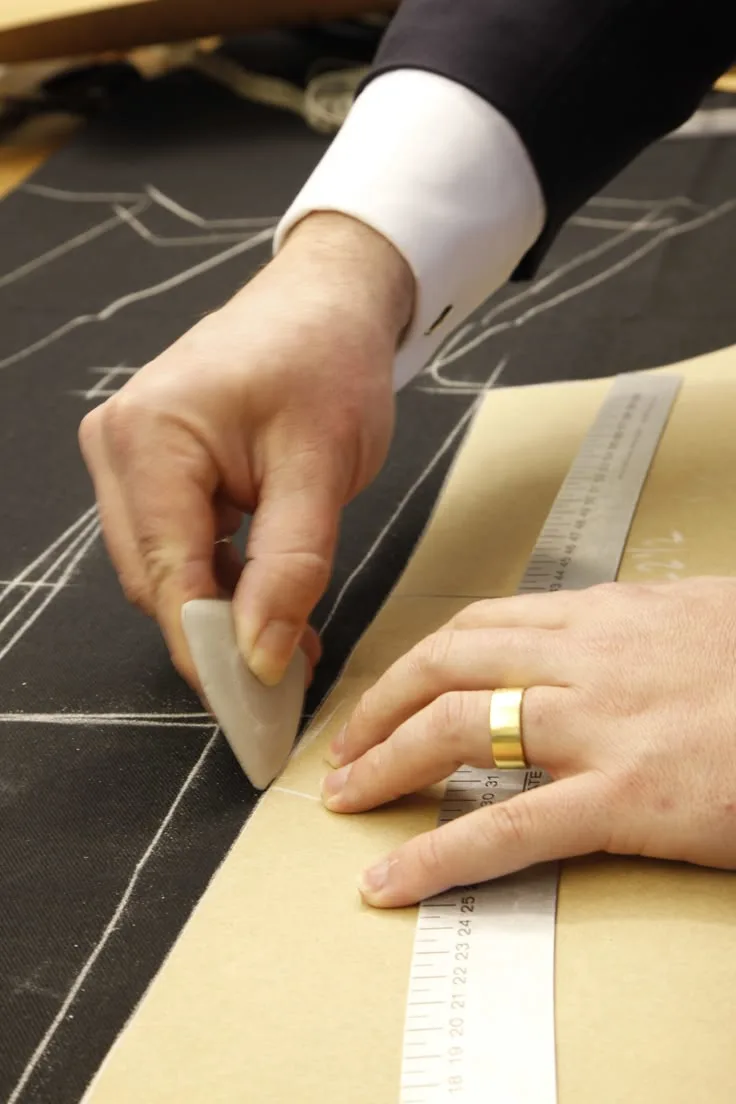
These details are easier to get right when the tuxedo is built from an individual pattern than when a standard size is adjusted.
The Shirt, Bow Tie, and Shoes
The tuxedo is only part of the outfit.
A formal shirt in white, with a turn-down collar or a wing collar, completes the look. Our custom dress shirts can be cut to sit cleanly under the jacket, with French cuffs for cufflinks.
A black bow tie, self-tied, is the traditional choice. A pre-tied bow tie can work, but a self-tied one looks more natural.
Shoes should be polished black patent leather or highly polished black calf, in an oxford or opera pump style. Loafers are not the traditional choice for black tie.
Add a pocket square if you wish, in white linen or silk, folded simply.
Waistcoat or Cummerbund?
Traditionally, a tuxedo is worn with either a waistcoat or a cummerbund, which covers the waistline where the shirt meets the trousers.
A low-cut black waistcoat is a clean option that covers the waistband and keeps the line neat. A cummerbund is a pleated sash worn at the waist, with the pleats facing upward. Both are traditional, and neither is required if the jacket stays buttoned, though they are useful if you remove the jacket during the evening.
Rental vs. Off-the-Rack vs. Bespoke
The three options differ in more than price.
A rental is the cheapest per use and the easiest for a single event. The fit is standard, the cloth is basic, and the tuxedo is worn by many others.
An off-the-rack tuxedo can be altered, but the pattern is still a standard one, and the shoulders and chest often cannot be fully corrected.
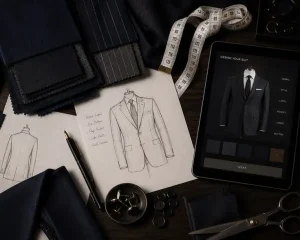
A bespoke tuxedo is built from your measurements, with a pattern drawn for your body. It costs more upfront, and it lasts for years.
For someone who attends one event every few years, rental or off-the-rack may be reasonable. For anyone who attends several each season, bespoke becomes the more economical and more satisfying choice over time.
Timing: When to Order for the Season
Because a bespoke tuxedo takes time to build, planning matters.
A properly made garment involves pattern-making, cutting, and more than one fitting, so it cannot be rushed. Ordering well before the first event on your calendar gives the tailor time to fit and adjust the tuxedo, and gives you time to plan accessories.
If you know your season begins in autumn, it is sensible to start in the late summer or earlier. Waiting until an invitation arrives often rules out bespoke.
Building a Black-Tie Wardrobe Over Time
A tuxedo does not have to be a one-time purchase.
Many professionals start with a classic black tuxedo and add pieces over several seasons, such as a second tuxedo in midnight blue, a dinner jacket in a seasonal cloth, or extra formal shirts. Planning the wardrobe around a trunk show schedule lets you order several pieces in a single visit, which reduces the number of appointments.
Dressing for the Weather Around the Event
D.C. galas often involve a cold walk from the car or the Metro, followed by a warm ballroom.
A good overcoat in a dark color, long enough to cover the jacket, protects the tuxedo from the weather and arrives at the door looking fresh. A white silk scarf is a classic finishing touch for evening wear.
Caring for a Bespoke Tuxedo
Regular care keeps a tuxedo looking sharp across many seasons.
Brush the jacket after wearing it, and let it rest on a wide-shouldered hanger before storing it. Dry clean it only when needed, since frequent cleaning wears the cloth. Store it in a breathable garment bag, not in plastic, and keep it away from damp conditions.
Because a tuxedo is worn only occasionally, it often lasts far longer than a daily business suit if it is looked after.
Getting a Bespoke Tuxedo in D.C. Without a Local Storefront
Genuinely bespoke tailoring is limited in Washington D.C., where most options lean toward rental, off-the-rack, and made-to-measure.
Some established bespoke houses serve the city through scheduled trunk shows, taking measurements in person and building the tuxedo at their home workshop. This allows clients in D.C. to access true bespoke tailoring without traveling abroad.
If you take this route, ask how established the visit schedule is, how many fittings are included, and whether measurements are kept on file for future orders.
Bespoke Tuxedos for D.C. Gala Season at AMBFA Tailor
AMBFA Tailor serves clients in Washington D.C. through scheduled trunk shows, bringing the same bespoke process used in our Bangkok workshop to the city.
Our house tuxedo is a single-breasted, one-button design with a deep, elongated horseshoe shawl lapel, a low gorge, silk satin facing, an extended belly curve, and a lower button stance. It is cut to give a long, elegant line, and every tuxedo is built from an individual pattern with full canvas construction. Clients can also choose other lapel styles and details with our team.
Measurements are kept on file after your first fitting, so you can add pieces or reorder between visits. For women who attend gala season, our approach is explained in our guide to custom tuxedos for women.
With more than 60 years of tailoring heritage in Bangkok, AMBFA Tailor brings that same craftsmanship to every client we fit in Washington D.C.
Frequently Asked Questions
What should I wear to a black-tie gala in Washington D.C.?
A tuxedo with a formal white shirt, black bow tie, and polished black formal shoes. A well-fitted tuxedo is always the safest choice, even when the invitation says black tie optional.
Is a bespoke tuxedo worth it if I only attend a few galas a year?
Usually yes, if you attend several events over multiple seasons. A bespoke tuxedo fits properly from the first event and lasts for years, while rentals cost more over time and fit less well.
Should I choose a shawl lapel or a peak lapel?
Both are formal. A shawl lapel is the traditional evening choice with a soft, rounded line, while a peak lapel is sharper and more structured. A tailor can advise based on your build.
How far in advance should I order a bespoke tuxedo for gala season?
Ideally several months before your first event, since pattern-making, construction, and more than one fitting take time. Waiting until an invitation arrives often rules out bespoke.
Arrive Dressed for the Season
Gala season rewards preparation. A tuxedo that is made for you fits properly, photographs well, and is ready whenever an invitation arrives, season after season.
If you would like to have a tuxedo built around your measurements before the season begins, book an appointment with AMBFA Tailor and connect with our team about our next scheduled visit to Washington D.C.
Book a D.C. appointment