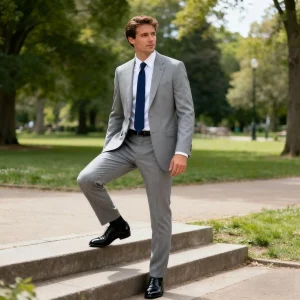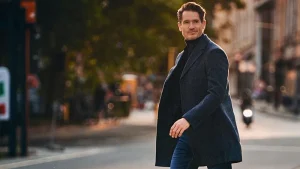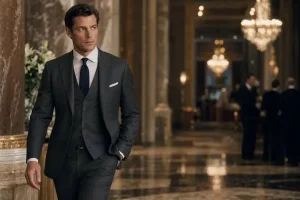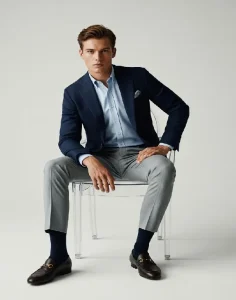


When most people think about tailored suits, they focus on fabric choices, lapels, or the perfect slim, but not too slim, silhouette. Yet the true foundation of any suit starts at the shoulders. This single element has more influence on your appearance than almost any other part of your jacket. Whether you’re heading to a board meeting in downtown Bethesda, stepping into a diplomatic event near Chevy Chase, or preparing for a refined weekend dinner, the shoulder construction of your suit quietly determines how polished, confident, and proportioned you look.
Before stepping into a tailor shop in Bethesda, it’s worth understanding the subtle but powerful role shoulder padding plays. The more you know, the easier it is to choose a suit that enhances your posture, aligns with your lifestyle, and gives you the presence you want—without sacrificing comfort.
The shoulders form the anchor of a suit jacket. They support the chest, define the silhouette, guide the drape of the fabric, and even influence how the lapels sit. If the shoulders are wrong, even by a little, the entire jacket looks off. That’s why experienced tailors often start fittings by evaluating the shoulder structure first.
A well-designed shoulder can make you appear straighter, stronger, and more balanced. On the other hand, poorly chosen padding can make you look hunched, overly stiff, or disproportionately broad. A suit’s shoulders should complement your natural body line, not fight against it. That harmony is what separates a true tailored suit from an off-the-rack jacket.
Across Bethesda’s tailoring scene, you’ll encounter three primary shoulder constructions, each offering a distinct visual impression.

The natural shoulder (sometimes called the soft shoulder) has minimal padding and follows your true shoulder line. It creates a relaxed, contemporary look that blends seamlessly into suburban-professional lifestyles, where outfits need to move comfortably from a Metro commute into an office setting and then into dinner with friends. This shoulder style feels effortless while still maintaining refinement.

A lightly padded shoulder, however, gives a touch more structure. It offers clean lines, support, and a subtle presence without looking overly formal. This is the choice most professionals in the Washington metropolitan area gravitate toward. It works beautifully in environments where appearance matters, government, consulting, tech leadership, finance but comfort remains essential throughout long workdays.

Then there is the roped shoulder, a classic European construction with a raised sleevehead. It introduces a sharp ridge along the top of the armhole, resulting in a strong, assertive, highly tailored aesthetic. You’ll often see this style at weddings, diplomatic events, or upscale gatherings. It’s for someone who wants a statement suit that feels intentional and elevated, not casual.
Each shoulder construction sends a different message about your style and the degree of formality you prefer. Understanding these differences helps you communicate the look you want instead of relying on the tailor to guess.
Even a small amount of padding can influence the balance and appearance of a suit. Padding affects the visual width of your shoulders, the posture of your upper body, and how the jacket drapes. It can subtly correct natural asymmetries, give narrow shoulders more structure, or soften broad shoulders for a more proportional appearance.
Too much padding, however, can overwhelm your frame or make the jacket feel stiff. Too little can cause the fabric to collapse, especially if your shoulders slope or rotate forward. That’s why shoulder padding must be chosen based not only on style but also on body structure.
Men with broader or athletic shoulders often look best with natural or lightly padded shoulders, anything more can exaggerate their proportions. Those with narrower shoulders or sloping posture may appreciate the support and structure added by light or roped padding. And if your daily routine involves a lot of movement, commutes, presentations, and long workdays, you’ll want a construction that keeps shape without limiting mobility.
A good tailor in Bethesda will consider all of these factors before recommending the ideal shoulder build.

Bethesda is an interesting blend of upscale refinement, suburban comfort, and proximity to D.C.’s political influence. As a result, people here often look for tailoring that is polished enough for the city yet relaxed enough for everyday wear in Montgomery County.
This makes lightly padded shoulders the most popular choice, structured enough for professional life but not overly rigid. Natural shoulders come in second, especially among men who prefer a modern, elegant minimalism that still reads as sophisticated. Roped shoulders, while less common for daily wear, remain an exceptional choice for special occasions or standout bespoke pieces.
Thinking about how and where you’ll wear your suit is the key to choosing the right shoulder construction.
Many men walk into a tailor without the vocabulary to describe what they want. But a simple conversation about your shoulder preferences can dramatically improve the outcome.
A good tailor will analyze your posture, body symmetry, shoulder angle, and how you carry weight in your upper body. They’ll also ask about your lifestyle: Do you commute long hours? Do you attend formal events? Do you prefer a soft, natural silhouette or a sharper, more structured one?
Before your appointment, take a moment to think about how you want to look and feel in your suit. The more clarity you bring to the conversation, the better the tailor can guide you toward the shoulder construction that makes sense for you.
A perfectly tailored suit is the result of many thoughtful decisions, but the shoulders are the element that defines everything else. When you understand shoulder padding, how it shapes your silhouette, guides the drape, influences posture, and impacts comfort, you give yourself the confidence to choose a suit that truly represents you.
Whether you prefer a soft, natural shoulder for modern everyday elegance or a structured silhouette that brings presence into professional settings, selecting the right construction makes your suit feel exceptional every time you wear it.
And when you’re ready to commission a suit that gets these details right from the very first stitch, AMBFA Tailor offers expert craftsmanship and thoughtful guidance to help you choose the shoulder style that best matches your lifestyle, body shape, and personal aesthetic. With experienced tailors who understand both classic construction and contemporary trends, AMBFA Tailor ensures your suit doesn’t just fit, it elevates you.