Listen to this article
The old money look is hard to pin down, because it is built on what it leaves out. There is no logo, no loud pattern, and no obvious shine. A jacket in this style looks settled and well worn in the best sense, as if it has been in the wardrobe for years and will be there for many more.
Most of that effect comes from cloth. Cut and fit matter, but fabric is what makes a jacket read as quiet luxury rather than simply expensive. The same pattern in two different cloths can look like two different garments.
This guide covers the fabrics that define the look, why they work, and what to consider when choosing cloth for a bespoke jacket that is meant to age well.
What “Old Money” Means in a Jacket
“Old money” is a style label, not a technical term. It describes a way of dressing that favors restraint, durability, and natural materials over trends and visible branding.
In a jacket, that translates into a few consistent qualities: muted color, a matte or softly textured surface, natural fibers, and a drape that looks relaxed rather than stiff. The jacket should look like it belongs to the person, not like it is trying to announce itself.
Fabric is the main way those qualities show up. Choosing well is less about the most expensive cloth and more about the right character.
Why Natural Fibers Define the Look
ผ้าวูล, cashmere, silk, linen, and cotton share something that synthetics rarely match, which is how they age.
Natural fibers breathe, take on a soft patina with wear, and tend to look better after years of use. Synthetic blends can look uniform and slightly shiny when new, and they often show wear in a flatter, less attractive way.
For this style, wool is the foundation, and the others appear as blends or as seasonal alternatives. A jacket built mostly from natural cloth gives the quiet, lived-in surface that the look depends on.
Wool: The Foundation of the Look
Almost every classic jacket in this style starts with wool, and the type of wool shapes how the jacket looks and feels.
- Worsted wool is made from long fibers combed smooth and spun tightly. It has a clean surface, a sharp drape, and a refined look, and it is the standard for business suiting. A mid-weight worsted in navy or grey is the most versatile base.
- Woolen cloth is made from shorter fibers with a fuzzier, softer surface. It has more warmth and texture, and it includes flannel and most tweeds. This is where much of the heritage character comes from.
Knowing the difference helps you choose. Worsted gives polish, and woolen gives warmth and a relaxed, textured feel.
Flannel: Soft, Matte, and Quietly Rich
Flannel is one of the clearest examples of old money cloth.
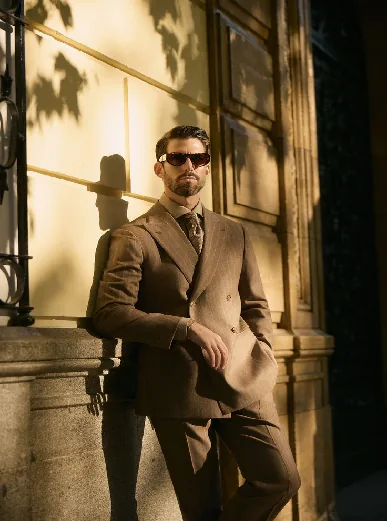
It is a brushed wool with a soft, slightly napped surface and a matte finish. Flannel does not reflect light the way smooth worsted does, so it reads as calm and understated. It drapes comfortably and feels substantial without being stiff.
Grey flannel is the classic choice, and navy, charcoal, and muted brown are also well established. It suits autumn and winter, and it is a good choice for a jacket or suit that you want to look lived-in from the first wear.
Tweed: Heritage Texture for Jackets
Tweed is a rugged, textured woolen cloth with deep roots in British and Irish country dress, and it is closely tied to the heritage look.
- Harris Tweed is a protected name for cloth handwoven in the Outer Hebrides of Scotland from pure virgin wool. It is known for its durability and rich, earthy colors.
- Donegal tweed comes from Ireland and is recognized by small flecks of contrasting color woven through the cloth, which give it depth.
- Shetland tweed is soft and slightly shaggy, with a naturally rustic surface, made from wool of Shetland sheep.
Tweed suits a sport jacket worn with separate trousers more than a full suit. It works well for smart casual and weekend wear, and in cooler weather. Our guide to tailored tweed jackets covers styling in more detail.
Patterns That Stay Quiet: Herringbone, Houndstooth, and Glen Check
Old money style does use pattern, but it keeps it understated.
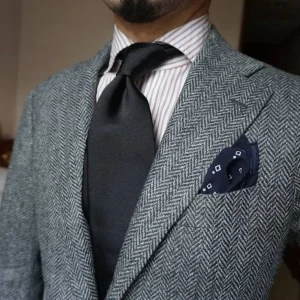
- Herringbone is a V-shaped weave, usually tone on tone, that reads as texture rather than as a visible pattern. It is one of the safest and most classic choices.
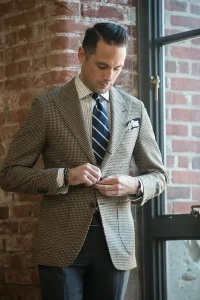
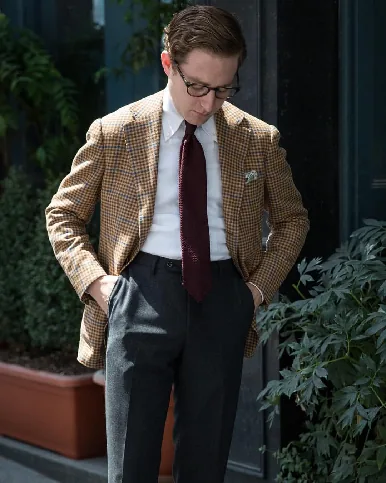
- Houndstooth is a broken check with a pointed, tooth-like shape. In a small scale and muted colors, it adds interest without loudness.
- Glen check (also called Glen Urquhart) is a woven plaid of small and large checks. It is traditional, and in subtle colors it looks refined rather than bold.
The rule is the same across all three. If the pattern is only clear when someone stands close, it fits the look.
Hopsack and Fresco: Breathable Weaves for Warmer Weather
Not every old money jacket is heavy. Some of the most respected cloths are open weaves designed for warm conditions.
Hopsack has a loose, basket-like weave that is airy and slightly textured, with a matte surface that resists creasing. It is a favorite for blazers.
Fresco is an open-weave worsted made from tightly twisted yarn. It breathes well, recovers from creasing, and keeps its structure in heat, which is why it has long been valued for summer tailoring.
Both give a relaxed, refined look without the weight of flannel or tweed, and they are the more practical choices for warm climates.
Cashmere and Wool-Cashmere Blends
ผ้าแคชเมียร์ is associated with quiet luxury because it is understated and soft, not showy.
In jackets, it is usually blended with wool, since pure cashmere can be delicate and less durable. A wool and cashmere blend gives a softer handfeel and a gentle drape, while keeping the cloth practical enough for regular wear.
It is worth considering for a jacket you want to feel exceptional against the body. The trade-off is that blends with a high cashmere content can wear faster, so it suits a jacket worn with some care.
Silk, Linen, and Cotton Blends for Summer
For warm seasons, the same restrained approach applies, with different fibers.
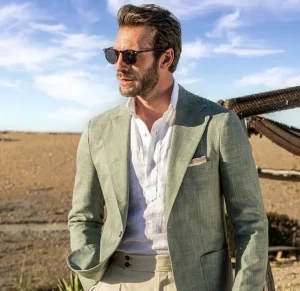
Wool, silk, and linen blends combine the structure of wool with the sheen of silk and the airy texture of linen. The result is a breathable, textured cloth with a soft natural look.
ลินิน gives a relaxed, summery character, though it creases easily, which is part of its appeal in a casual jacket.
ผ้าฝ้าย in a textured weave, such as a washed or garment-dyed cloth, suits a lightweight jacket with a softer, more casual feel.
These cloths keep the natural-fiber quality of the style while handling heat better than heavier wool.
Fabric Weight and Drape
Weight affects how a jacket hangs, and how it hangs is a large part of the old money effect.
A cloth with enough body drapes naturally and moves with you, which looks relaxed and expensive. A very light, thin cloth can look flimsy and wrinkle more, while a very heavy one can look stiff and bulky.
As a general guide, a mid-weight cloth suits most of the year, a heavier cloth such as flannel or tweed suits cold weather, and an open-weave lightweight cloth suits the heat. A tailor can help you choose the weight that suits your climate and how you wear the jacket.
Color: Natural and Muted
Color is the other half of the fabric decision, and the palette is quiet.
Navy is the most versatile and the classic base. Muted grey, from light to charcoal, works across seasons. Olive and forest green give a natural, outdoorsy depth. Camel and tan suit warm-toned and heritage looks. Brown, especially in tweed and flannel, is a core country-style choice.
Avoid bright or saturated colors, and look for tones that appear slightly softened or heathered, since natural dyeing and woven blends of yarn tend to create that depth.
Italian and British Cloth
The two traditions shape the look in slightly different ways.
British cloth is associated with heavier, more structured woolens, tweeds, and flannels, with a reputation for durability and a traditional, conservative character.
Italian cloth tends to be associated with a softer, lighter handfeel and a more fluid drape, with fine worsteds and refined finishes. Mills in the Biella region of northern Italy have long been known for fine wool.
Neither is better. The choice depends on whether you want structure and heritage or softness and fluidity, and many wardrobes include both.
Why Construction Matters as Much as Cloth
Even the best cloth looks ordinary if the jacket is built poorly.
A full canvas jacket uses a hand-stitched layer of natural canvas inside the chest and lapel. It lets the cloth drape naturally, allows the lapel to roll softly, and helps the jacket keep its shape and develop character as it ages. A fused jacket tends to look flatter and stiffer, which works against the relaxed quality the style depends on.
For a jacket built from an individual pattern, the combination of good cloth and proper construction is what makes the finished garment look considered.
Old Money Jacket Fabrics at AMBFA Tailor
At AMBFA Tailor, cloth is chosen with the same care as the cut. Reda, the Italian wool mill founded in 1865 in Biella, is part of our fabric collection, for clients who want the consistency and craftsmanship of a mill with a long heritage.
Our tailoring team can guide you through weave, weight, and color based on how and where you will wear the jacket, including in Bangkok’s climate. Every jacket is built from an individual pattern with full canvas construction, so the cloth drapes and ages as it should. Through our trunk shows, we bring the same process to clients in the United States.
With more than 60 years of tailoring heritage in Bangkok, AMBFA Tailor brings that same attention to detail to every jacket we make.
Frequently Asked Questions
What fabric is best for an old money suit jacket?
Wool is the foundation, in cloths such as worsted, flannel, tweed, hopsack, and fresco. Wool and cashmere blends add softness, and matte, natural-fiber cloth in muted colors suits the look best.
Is tweed or flannel more old money?
Both are classic. Flannel is smoother and more versatile, suiting full suits and jackets, while tweed is more rugged and suits sport jackets worn with separate trousers.
Can I get the old money look in hot weather?
Yes. Lightweight worsted, hopsack, fresco, and wool, silk, and linen blends keep the same restrained character while staying comfortable in warm climates.
Does a higher Super number mean a better jacket cloth?
Not always. Higher numbers mean finer fiber, but also a more delicate cloth. A mid-range number in a well-woven cloth often lasts longer and suits this durable style better.
Choose Cloth That Looks Better With Time
The old money look is not about finding the rarest fabric. It is about choosing natural cloth with the right character, such as matte surface, muted color, and good drape, and building it into a jacket that is made to last. When those elements work together, the result looks settled from the first day and improves with age.
If you would like to explore cloth for a jacket built around your measurements, book an appointment with AMBFA Tailor and work with our team on cloth, weight, and construction.
จองนัดหมาย