

In men’s formalwear, few choices communicate intent as clearly as the decision between a bow tie and a necktie. Both are classic accessories, yet each carries its own rules, traditions, and visual impact. Choosing the right one is less about personal preference and more about understanding occasion, formality, and overall balance.
For men who value dressing well whether for business, weddings, or formal events, knowing when to wear a bow tie versus a necktie is essential.
Neckwear acts as a focal point in men’s formal attire. It frames the face, defines the formality of an outfit, and subtly signals how traditional or modern the wearer intends to appear. While both bow ties and neckties serve the same functional purpose, they communicate very different messages.
A well-chosen neckwear piece should complement the suit or tuxedo, respect the event’s dress code, and enhance the wearer’s presence without drawing unnecessary attention.
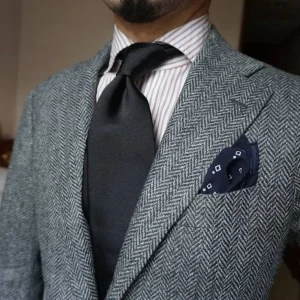
The necktie remains the most versatile accessory in men’s formal and business wardrobes. Its long, vertical line naturally elongates the torso, creating a refined and professional appearance. Neckties are suitable for a wide range of occasions, from corporate settings to formal ceremonies and social events.
In business environments, a necktie communicates professionalism and authority. For weddings and formal gatherings, it offers flexibility in fabric, color, and pattern while maintaining a classic look. A necktie is also more forgiving for first-time formal dressers, making it a safe and reliable choice in most situations.

A necktie is appropriate for business meetings, corporate events, daytime weddings, and most semi-formal or formal occasions. It pairs seamlessly with both single-breasted and double-breasted suits and works well across seasons and dress codes.
For men who prefer understated elegance or who attend events with mixed formality levels, the necktie offers balance. It adapts easily to different styles without dominating the outfit, allowing the suit’s tailoring and fabric to take center stage.
The Bow Tie: Formal, Distinctive, and Purposeful
The bow tie carries a stronger sense of formality and tradition. Most commonly associated with black-tie dress codes, it immediately signals intention and confidence. Unlike a necktie, a bow tie draws attention upward, emphasizing the face and neckline.
Bow ties are often chosen for evening events, formal celebrations, and occasions where tradition plays a central role. When worn correctly, they project elegance, individuality, and a clear understanding of formal etiquette.

A bow tie is the correct choice for black-tie events, formal evening weddings, galas, and ceremonies that require a tuxedo. It pairs naturally with dinner jackets, shawl or peak lapels, and formal shirts designed for bow tie wear.
Beyond strict black-tie settings, a bow tie can also work in creative or fashion-forward environments, provided the rest of the outfit is well-balanced. However, it should always feel intentional rather than experimental, especially in formal contexts.
Choosing between a bow tie and a necktie should also consider the structure of the outfit. Tuxedos traditionally call for bow ties, while suits are more commonly paired with neckties. Wearing a necktie with a tuxedo often disrupts the formal balance, just as a bow tie may feel out of place with a standard business suit.
Fabric and texture matter as well. Satin and silk complement formal eveningwear, while woven or matte finishes work better for business and daytime events. The goal is harmony, neckwear should enhance the outfit, not compete with it.
While dress codes provide guidance, confidence ultimately defines how well an accessory is worn. A bow tie requires comfort with formality and presence, while a necktie allows more subtle expression. Neither is superior; the right choice depends on how naturally it fits the wearer’s style and the occasion.
Men who understand these distinctions tend to dress with greater ease and assurance, making even simple outfits appear intentional and refined.
One of the most common mistakes is choosing neckwear based solely on trend rather than context. Wearing a bow tie to a business meeting or a casual wedding can feel forced, while pairing a necktie with a formal tuxedo can undermine the event’s tone.
Another mistake is neglecting proportion. Neckwear should complement the suit’s lapel width and shirt collar, ensuring a cohesive overall look.
Bow Tie or Necktie: The Final Decision
The choice between a bow tie and a necktie is not about which is better, but which is appropriate. Understanding the event, respecting tradition, and aligning with personal style will always lead to the right decision.
Well-dressed men know that true elegance lies in intention, not excess.