

In the world of men’s fashion, the details often make the most lasting impression. From the width of a lapel to the break in your trousers, each element contributes to a cohesive style story. Among these often-overlooked details is one that quietly bridges the space between your upper and lower attire, the belt buckle. While belts themselves are functional and aesthetic accessories, the buckle is the focal point that defines whether your look reads as polished, rugged, trendy, or traditional.
Whether you’re dressing for a boardroom, a wedding, or a weekend brunch, choosing the right belt buckle can elevate your outfit from standard to stand out. In this guide, we’ll break down everything you need to know about selecting the perfect belt buckle for your look by occasion, outfit style, and personal taste.
Before diving into styling tips, it’s important to understand the most common types of belt buckles:
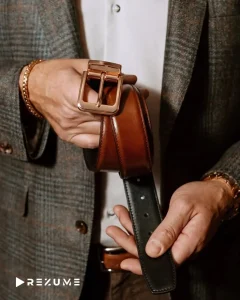
This is the most traditional and commonly used buckle, especially in formal belts. A single prong goes through a hole in the leather strap, secured by a metal frame. Ideal for business suits and tailored trousers, this buckle is understated and elegant.
A favorite in western wear and casual fashion, this type of buckle usually clips onto the belt with a hook and doesn’t require holes. It features a decorative metal plate and is often seen in cowboy or rodeo style.
This boxy buckle is less common and typically used in military or utility belts. It clamps onto the belt without using holes. Minimal in design, but often bulky, best left for practical wear.
These casual buckles, made from rings (often metal), are typically found on canvas or fabric belts. The belt loops through both rings and tightens by doubling back. Great for relaxed, streetwear-inspired outfits.
Modern and sleek, these buckles use a track system and latch mechanism instead of holes. They allow for micro-adjustments and are great for modern business casual wear.

Stick to frame-style buckles in silver or brass tones with a clean, polished finish. The buckle should be modest in size, not too shiny, not too large. It should complement your watch or cufflinks if you’re wearing them.
This is where you have more freedom. Try wider belts with slightly larger frame buckles or ratchet buckles. Brushed metals, matte finishes, and more relaxed shapes are acceptable here.
You can also opt for O-ring buckles or box-frame buckles when dressing in denim, chinos, or casual trousers. These pair well with sneakers, boots, or loafers.
If you want to make the buckle the star of your look, go bold with plate-style buckles or unique shapes and designs. These are often better for themed events, parties, or casual environments where you want to express personality.
Just like lapels or tie widths, the size of your belt buckle should work with your body type.
Proportional styling helps maintain a polished silhouette and prevents accessories from visually overpowering your frame.

Belt buckles come in a variety of finishes, and each adds a different flavor to your look.
Again, think about how the buckle’s finish interacts with your watch, jewelry, or eyeglass frames. Harmonizing metals across your accessories creates a cohesive, intentional appearance.
While style rules offer helpful guidelines, fashion is also about self-expression. Once you understand what works and why, feel free to break the mold, intentionally.
When you invest in a custom suit or tailored trousers, your belt becomes more than an afterthought, it should be part of the ensemble’s overall harmony. Custom garments often include subtle design touches, waistband height, belt loops, pleats that affect the belt you wear.
For example, a high-waisted trouser with side adjusters may not require a belt at all, in which case a dressy buckle-less look is ideal. However, if you request belt loops in your tailoring, consider a slim belt with a refined frame buckle to preserve the clean lines of the suit.
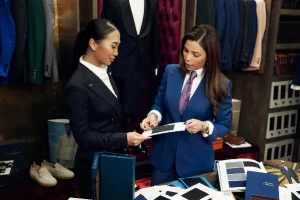
At AMBFA Bespoke Tailor and other fine tailoring houses, clients are often guided through belt pairings as part of their suit consultation. The goal is not just to look dressed but fully styled.