

When designing a custom suit, most people focus on the fabric, color, or overall fit. While these elements are certainly important, the lapel is another detail that plays a major role in defining the character of the suit. The shape and style of the lapel can subtly influence how formal, modern, or traditional a suit appears.
For those investing in a bespoke suit, understanding the different lapel styles helps ensure that every detail reflects the intended look. The right lapel not only complements the suit’s design but also enhances the wearer’s overall presence.
The lapel is the folded flap of fabric on the front of a suit jacket that runs from the collar down to the button line. Although it may seem like a small design element, it is one of the most noticeable features of a jacket.
Different lapel styles create different visual impressions. Some appear more formal and structured, while others offer a relaxed and versatile look. Choosing the right style helps ensure the suit matches the occasion, the wearer’s personal style, and the overall design of the garment.
In bespoke tailoring, these details are carefully considered so that the final suit feels balanced and intentional.
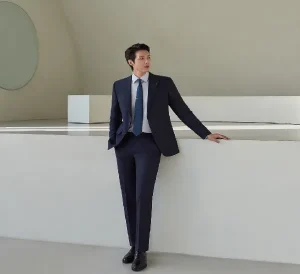
The notch lapel is the most common and versatile lapel style found in modern suits. It is defined by a small indentation where the lapel meets the collar, creating a subtle “notch” shape.
Because of its balanced and understated design, the notch lapel works well for business suits, everyday professional wear, and many semi-formal occasions. It is typically seen on single-breasted jackets and is widely accepted as the standard choice for office environments.
For professionals who want a timeless and practical suit, the notch lapel provides a safe and reliable option that pairs easily with many wardrobe combinations.

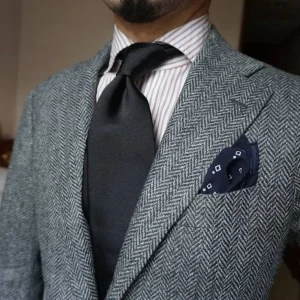
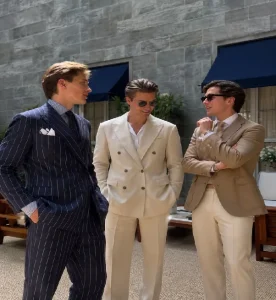
The peak lapel is characterized by edges that point upward toward the shoulders, creating a sharper and more dramatic look. This style is often associated with double-breasted suits, although it can also appear on single-breasted jackets.
Peak lapels tend to project confidence and authority. Because of their structured appearance, they are often chosen for more formal settings, business leadership roles, or special occasions where a stronger visual presence is desired.
In custom tailoring, peak lapels can also help broaden the appearance of the shoulders, creating a more powerful silhouette.

Unlike notch or peak lapels, the shawl lapel has a smooth, continuous curve without sharp edges or angles. This style is most commonly associated with tuxedos and formal eveningwear.
Shawl lapels are typically covered in satin or silk fabric, which creates an elegant contrast against the rest of the jacket. Because of this distinctive design, shawl lapels are usually reserved for black-tie events, weddings, and other formal evening occasions.
While they are less common in everyday suits, shawl lapels remain a defining feature of classic formal attire.

The occasion is often one of the most important factors when selecting a lapel style. For everyday business environments, the notch lapel remains the most practical and widely accepted choice.
For formal events, high-level meetings, or occasions where a stronger visual impression is appropriate, the peak lapel can provide additional presence and elegance.
When the dress code involves tuxedos or black-tie attire, the shawl lapel becomes the natural choice because of its long-standing connection with formal eveningwear.
Matching the lapel style to the occasion helps ensure the suit feels appropriate and refined.
Lapel design can also influence how the suit complements the wearer’s body shape. Wider lapels tend to create a stronger and more traditional appearance, while narrower lapels provide a more modern and streamlined look.
Peak lapels can visually broaden the chest and shoulders, which may benefit individuals seeking a more structured silhouette. Notch lapels, on the other hand, tend to offer a balanced appearance that works well for most body types.
When creating a custom suit, tailors carefully adjust lapel width and positioning so that the proportions align naturally with the wearer’s frame.
Beyond the style itself, the construction of the lapel also affects how the jacket looks and feels. In high-quality tailoring, lapels are carefully shaped to create a gentle roll from the collar to the first button.
This subtle curvature gives the jacket a more natural and elegant appearance compared to flat or rigid lapels often found in mass-produced garments. Skilled craftsmanship ensures that the lapel maintains its structure while allowing the fabric to move comfortably.
These small details contribute significantly to the refined look of a custom suit.