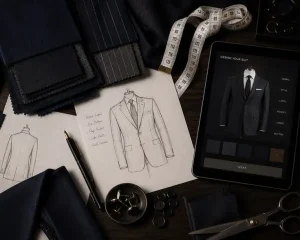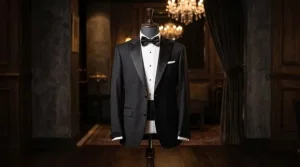


When investing in a custom suit, fabric selection represents one of the most significant factors affecting your final cost. For professionals in D.C. and the broader DMV area, understanding how different materials impact pricing can help you make informed decisions that balance quality, durability, and budget considerations.
Fabric pricing in custom suiting operates on several key principles. The quality of raw materials, manufacturing processes, mill reputation, and fabric construction all contribute to the final cost. Mills with established reputations command premium prices for their expertise and quality control, while newer mills may offer excellent value at lower price points.
Thread count and fabric construction also play crucial roles in pricing. Higher thread counts generally indicate finer fabrics that require more skilled manufacturing, naturally increasing costs.
ผ้าวูล remains the most popular choice for custom suits, with quality determined by fiber fineness, yarn construction, and weaving techniques. Super numbers (Super 120s, Super 150s, etc.) indicate fiber fineness, with higher numbers representing finer, more expensive fibers.
Super 120s to Super 130s wool offers an excellent balance of quality, durability, and reasonable pricing for most professionals. Higher super numbers like Super 150s enter luxury territory with correspondingly higher prices but may require more careful handling.

Beyond traditional wool, several alternatives offer different price points:
Solid colors typically offer the most economical options, with navy, charcoal, and black fabrics representing the best value. Subtle patterns like pinstripes may increase costs moderately, while bold patterns and complex designs command premium prices due to skilled craftsmanship requirements.

Established mills with centuries of experience command premium prices but offer superior quality assurance. Mid-tier mills often provide excellent value propositions with high-quality fabrics at more accessible price points, while newer mills can offer exceptional value for budget-conscious buyers.
Higher-quality fabrics typically offer better resistance to wrinkles, fading, and general wear, extending suit life and improving value over time. Consider your wearing frequency, care capabilities, and intended use when evaluating fabric durability and long-term costs.
The key to successful fabric selection lies in balancing quality, performance, and budget considerations. Work closely with your tailor to understand how different fabrics will perform in your professional environment. Request fabric samples to evaluate options in different lighting conditions and alongside your existing wardrobe.
For D.C. professionals seeking the perfect balance of quality and value in custom suit fabrics, AMBFA Bespoke Tailor offers expert guidance in fabric selection that maximizes your investment. Start your fabric selection process with clear budget parameters and work with skilled professionals who can guide you toward choices that provide the best long-term value.
Book your appointment now at AMBFA!